Fitting and outdoor sockets
An electrician for the socket, not for the panel.
More on thisThe form is how you reach us. We answer every enquiry by email.
Plug-in Solar East of England / Surface and planning check
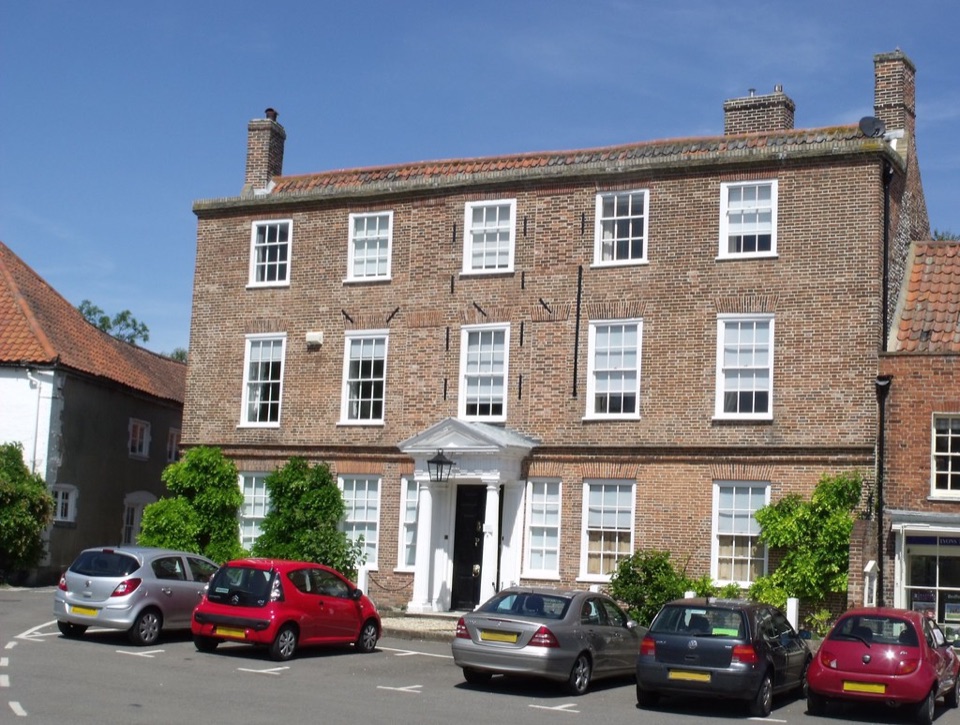
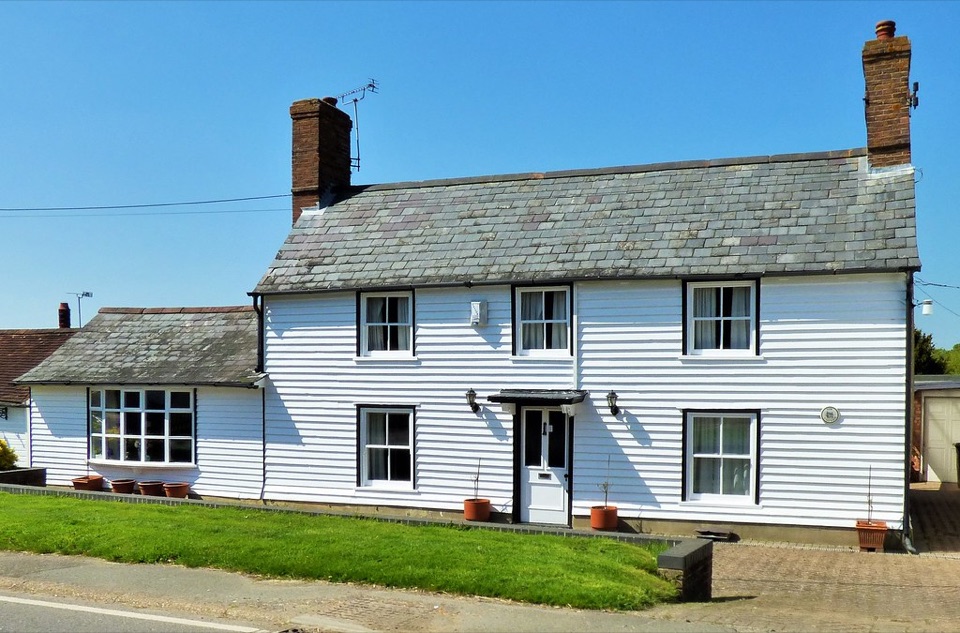
Flint, brick and render pass without trouble. Weatherboard and timber balconies were left out of the new rules, so we look at the surface before anyone prices the job.
These panels have been legal in Great Britain since 27 August 2026. That same day the planning rules for solar equipment on houses and on blocks of flats were rewritten, and the new wording mentions plug-in panels by name. What holds for your house today is not what a rooftop installer would have told you twelve months ago.
There is then a year of overlap, ending 27 August 2027. Through that year either set of rules can be used, the old wording or the new.
The wording as rewritten excludes these panels from a wooden wall, from a balcony and from timber cladding. It appears twice, once under houses and once under blocks of flats. Essex and Suffolk have a lot of weatherboarded houses, so this comes up here more than it does in most of the country.
If that is your house, the next question is whether a planning application is worth making. Often it is not. The government's assessment expects the fee and the administration to come to a lot beside the value of the panel.
Three separate situations, and this region has plenty of all three.
Most of this you can settle with a tape measure before you speak to anybody.
Nobody can write "no planning permission needed" and mean it. The right comes with conditions attached. A house that meets them needs no application, and a house that does not needs one. We work out which of those two is true at your address.
An email naming the rule that covers your surface, the projection limits at your house, and the figure your position would realistically reach in a year. Where the answer is no, we say no and we give the reason.
Give us the postcode and say what the wall or the roof is made of. We will tell you which way it falls.
Once the surface is settled, these are the other two steps.
Your postcode and the spot you have in mind. We'll tell you where it stands.
We cover Norfolk, Suffolk, Essex, Cambridgeshire, Hertfordshire and Bedfordshire, including Norwich, Ipswich, Cambridge, Chelmsford, Peterborough and Luton.
Just your name, email, postcode and the spot you mean. We email back what the rules say about that spot and what it should make over a year.