
Surface and planning check
We look at the roof, wall or patch of garden you have in mind and say whether the planning rules cover it.
More on thisThe form is how you reach us. We answer every enquiry by email.
Flat land and open skies suit a panel on a garden frame, which out here does almost as well as a roof. Tell us your postcode and the spot you have in mind and we'll say what the planning rules allow, what it should generate, and whether you'd need an electrician for a socket.
Just your name, email, postcode and the spot you mean. We email back what the rules say about that spot and what it should make over a year.
802
kWh a year
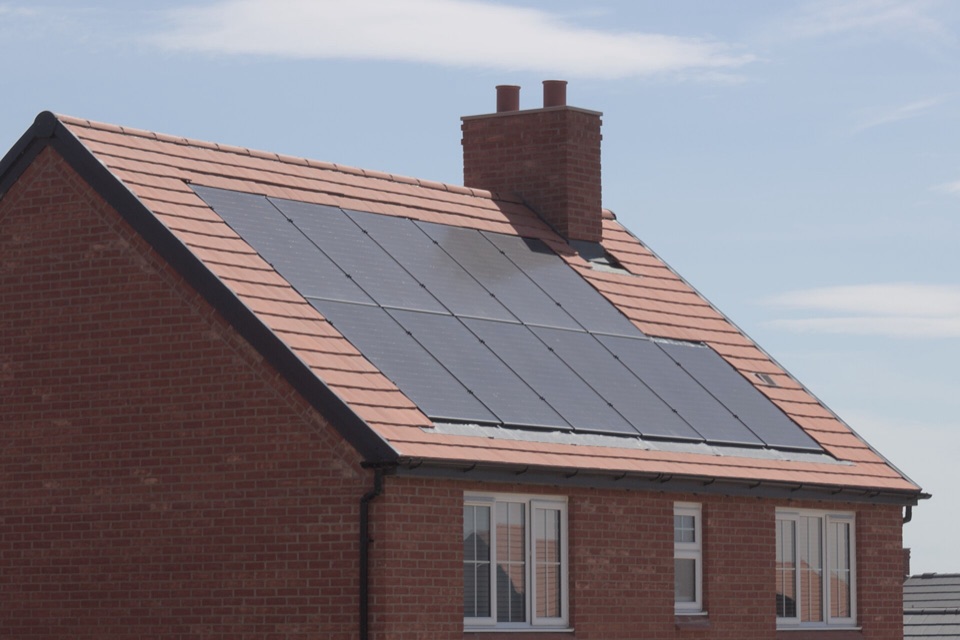
One 800 watt device on a clear south facing roof near Norwich comes to this in a year. It is a ceiling rather than a promise. The saving depends on what the house is drawing while the panel is producing.
Three things, in the order we work through them. We start with the surface because that is what decides whether the rest is worth doing.
We look at the roof, wall or patch of garden you have in mind and say whether the planning rules cover it.
More on this
You can plug the panel in yourself. If you need a weatherproof socket outside, we arrange an electrician to fit it.
More on this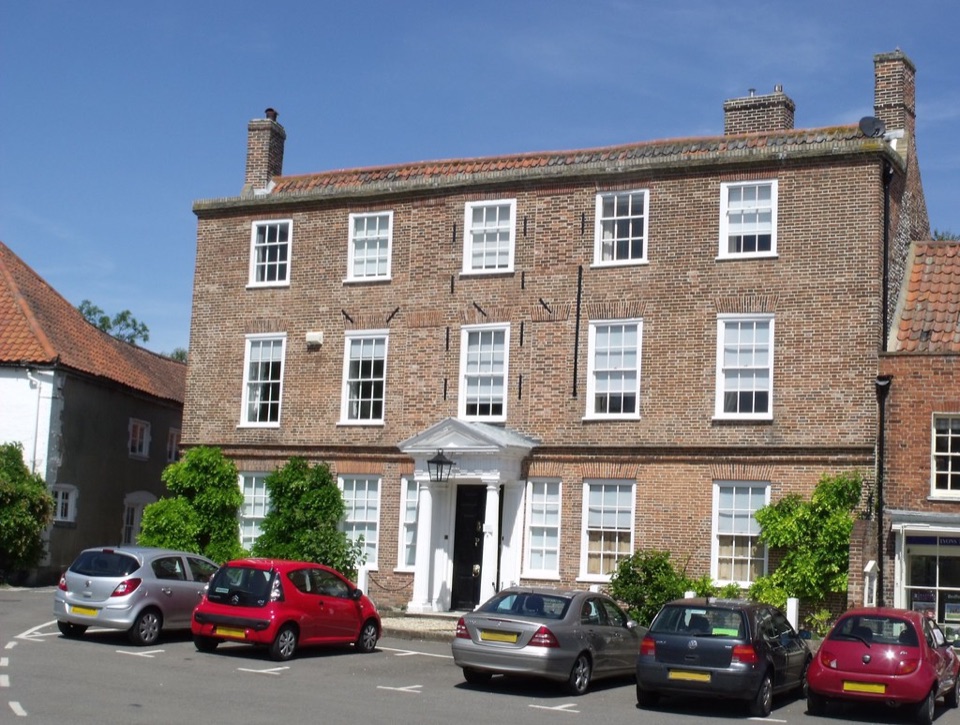
Name, email and the address it went in at, on a short online form. We sit with you while you send it.
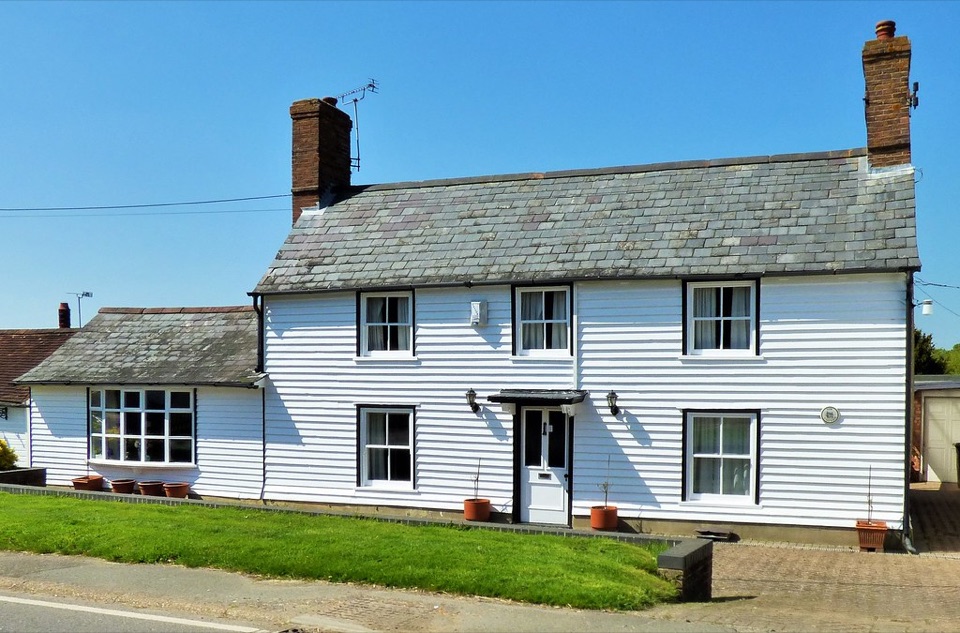
More on thisIf your house is weatherboarded, or your balcony is made of timber, the right that covers everyone else does not cover you.
Worth knowing before you buy
The planning rules for solar equipment were rewritten on 27 August 2026, the day these panels became legal. The new wording names plug-in solar and excludes it on a wooden wall, on a balcony and on timber cladding. It appears twice, once for houses and once for blocks of flats.
A year of overlap follows, ending on 27 August 2027, and in it either wording may be used. We will tell you which of the two helps you and whether a planning application is worth making.
Source: Planning Portal, solar equipment on houses and blocks of flats. Checked 13 September 2026.
Four positions, one address near Norwich, one 800 watt device. Where the panel goes changes the answer more than which county you live in.
Which way it faces, and how far it leans
PVGIS, four mountings, 0.8 kWp with 14 per cent system losses, unshaded, at one point near Norwich. Queried 13 September 2026. One point cannot speak for a whole region, and the coast is not the same as inland.
The East of England sits in one licence area. We will go through the form with you, and you can check the operator yourself in a minute.
The operator of record for this area is Eastern Power Networks plc, part of UK Power Networks. Treat that as provisional and check it on the operator's own lookup before you send the form. If you would rather not go looking, ring 105. Dialling it is free from anywhere in England, Scotland and Wales, and it gets you the right operator for the address.
The form itself is short. It asks for your name, your email address and the address the panel went in at, and it is meant to be sent within 28 days of the panel being installed.
Licence areas from the working map in our sources, held as provisional. The 28 day notification is described in the government's final stage impact assessment, read 13 September 2026.
The four we get most often. There are more on the questions page.
Most homes do not, though it turns on the house itself. These panels lean on the permitted development right for small scale solar. That right caps how far equipment may stand proud, and it carries separate conditions for conservation areas, listed buildings and, since August, wooden surfaces. A house outside those conditions needs an application. We settle which side of that line your house falls before you spend anything.
One per home. The product specification permits one device per final ring circuit and then hands the question over to the network rules. Engineering Recommendation G98 Issue 2 Amendment 1 caps it at one per household, and that stands until the rule changes.
Not within the approved class. The interim product specification leaves out plug-in batteries, and devices with storage built in. Anything offered to you with a battery attached falls outside what was approved in August.
There is no price on this site. Kit prices move about, and the socket work is different in every house. We would rather quote you once we know what your surface is than print a number that turns out to be wrong.
Tell us the postcode and what the surface is made of. We will write back with what the rules allow at your house and what the panel would make in a year.